
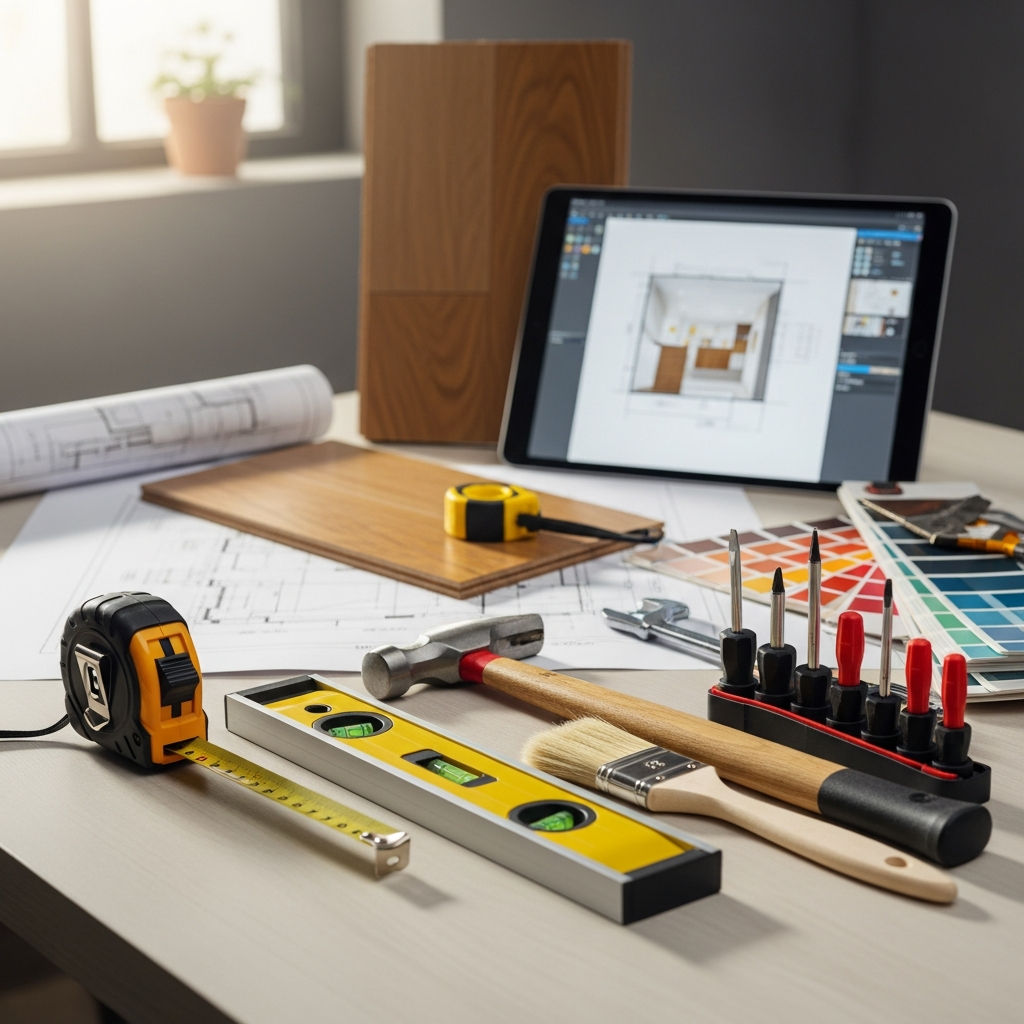
14 Professional Tips to Improve Your Home Improvement Projects
Home improvement is more than just a weekend hobby; it is a strategic investment in your property’s value, functionality, and aesthetic appeal. Whether you are planning a complete kitchen remodel or simply looking to freshen up your living room, the approach you take determines the quality of the final result. Many homeowners jump into renovations without a clear roadmap, leading to inflated costs and unfinished projects.
To help you navigate the complexities of renovation, we have compiled 14 professional tips to improve your home improvement journey. These insights from industry experts will ensure your next project is efficient, cost-effective, and visually stunning.
1. Start with a Comprehensive Master Plan
Success in home improvement begins long before you pick up a hammer. Professional contractors always start with a detailed plan that outlines the scope of work, materials needed, and the desired outcome. A master plan prevents “scope creep,” where small additions to the project slowly drain your budget and extend your timeline.
2. Establish a Realistic Budget and Contingency Fund
Budgeting is the cornerstone of any successful renovation. Research the average costs of materials and labor in your area to create an accurate estimate. However, the most important professional tip is to include a 10% to 20% contingency fund. Unexpected issues—such as outdated wiring or water damage hidden behind walls—are common in home improvement, and having a financial cushion prevents the project from stalling.
3. Focus on High-ROI Areas
If you are improving your home with the intention of increasing its resale value, focus your efforts on the kitchen and bathrooms. These are the rooms that most influence a buyer’s decision. Professional upgrades in these areas—such as stone countertops, modern cabinetry, and updated fixtures—typically offer the highest return on investment (ROI).
4. Master the Art of Lighting
Lighting is often an afterthought, but it is one of the most transformative elements of interior design. Professionals use “layered lighting” to create depth and mood:
- Ambient Lighting: The main source of light (ceiling fixtures).
- Task Lighting: Focused light for activities (under-cabinet lights in kitchens).
- Accent Lighting: Highlights architectural features or artwork (sconces or track lighting).
5. Never Underestimate the Power of Fresh Paint
Painting is the most cost-effective way to improve your home’s appearance. To achieve a professional finish, preparation is key. This includes sanding surfaces, patching holes, and using a high-quality primer. When choosing colors, neutral tones like greige, soft whites, and light blues tend to make spaces feel larger and more inviting to potential buyers.
6. Enhance Your Curb Appeal
First impressions matter. Home improvement isn’t just about the interior; the exterior sets the tone for the entire property. Simple professional touches like power washing the siding, painting the front door a bold color, and updating old house numbers can drastically improve curb appeal. Adding low-maintenance landscaping or fresh mulch also provides an instant facelift.
7. Prioritize Energy Efficiency
Modern home improvement is as much about performance as it is about looks. Upgrading to energy-efficient windows, adding attic insulation, and installing a programmable thermostat can significantly reduce utility bills. These upgrades are highly attractive to modern buyers who are conscious of both their carbon footprint and their monthly expenses.
8. Declutter Before You Decorate
You cannot effectively improve a space that is cluttered. Before starting a renovation, go through a “purge” phase. Professional organizers suggest that a clean, minimalist space allows the architectural improvements to shine. Consider built-in storage solutions during your renovation to keep clutter at bay in the future.

9. Choose Timeless Materials Over Trends
It is easy to get caught up in the latest design fads seen on social media. However, professional designers recommend choosing timeless materials for permanent fixtures. Subways tiles, hardwood flooring, and neutral stone are “safe” choices that won’t look dated in five years. You can always incorporate trends through easily replaceable items like throw pillows, rugs, and hardware.
10. Upgrade Your Hardware for a “Quick Win”
If you don’t have the budget for a full remodel, upgrading your hardware is a professional secret for an instant refresh. Replacing old, tarnished cabinet knobs, drawer pulls, and door handles with modern finishes like matte black or brushed gold can make old cabinetry look brand new for a fraction of the cost.
11. Invest in Smart Home Technology
Integrating smart technology is a forward-thinking way to improve your home. Consider installing smart locks, integrated security cameras, or smart lighting systems. These features add a layer of convenience and safety that modern homeowners crave, often increasing the perceived value of the property.
12. Optimize Storage Solutions
One of the biggest complaints from homeowners is a lack of storage. Professional home improvement projects often focus on “dead space.” This might mean installing shelving under the stairs, adding pull-out organizers in deep kitchen cabinets, or expanding closet systems. Efficient storage makes a home feel more organized and spacious.
13. Know When to Hire a Professional
The DIY spirit is great for saving money, but knowing your limits is crucial. For tasks involving structural changes, complex electrical work, or major plumbing, it is always safer and more cost-effective in the long run to hire a licensed professional. Mistakes in these areas can be incredibly expensive to fix and may even lead to safety hazards or code violations.
How to Vet a Contractor:
- Check for valid licenses and insurance.
- Read recent online reviews and ask for references.
- Get at least three written bids for comparison.
- Ensure there is a clear, written contract before work begins.
14. Don’t Ignore Routine Maintenance
The best home improvement strategy is prevention. Regular maintenance prevents small issues from turning into major renovation nightmares. Clean your gutters, service your HVAC system annually, and check for leaks under sinks. A well-maintained home provides a solid foundation for any aesthetic improvements you choose to make later.
Summary of Professional Home Improvement
Improving your home is a journey that requires a balance of creativity, technical skill, and financial planning. By following these 14 professional tips, you can avoid common pitfalls and ensure that every dollar you spend contributes to a more beautiful, functional, and valuable living space. Remember, the best home improvements are those that reflect your personal style while respecting the long-term integrity of the structure.
Whether you are tackling a small DIY task this weekend or hiring a crew for a major overhaul, keep your goals clear and your standards high. Happy renovating!