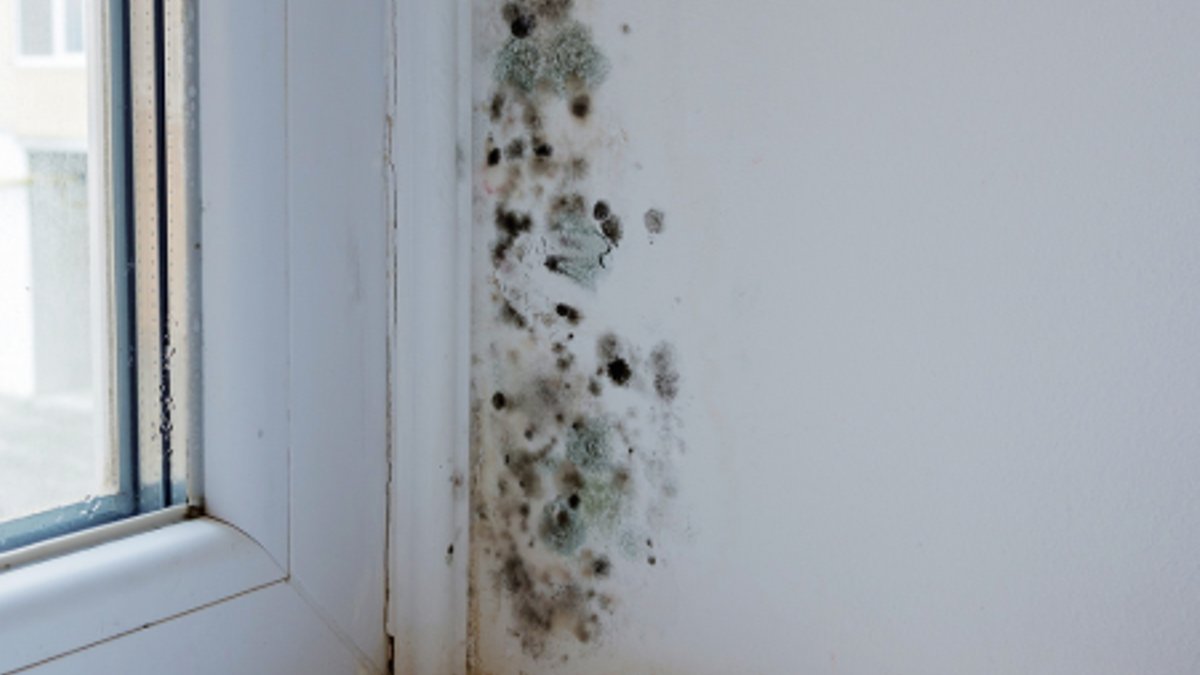
The Scottish Government has published updated instructions for landlords to meet the requirements of Awaab’s Law, legislation designed to accelerate responses to damp and mould in rented homes. The policy, named after Awaab Ishak—a toddler who died in England after prolonged exposure to mould, will come into force on October 6, 2026. Under the new rules, landlords must investigate reported damp or mould within tight deadlines and begin repairs immediately after confirmation.
These regulations build on Scotland’s existing housing frameworks, including the Housing (Scotland) Acts (1987, 2001, 2006, 2010) and the Scottish Secure Tenants (Right to Repair) Regulations 2002. The guidance seeks to reduce health hazards by requiring landlords to act before conditions deteriorate further.
Private landlords must adhere to the standards when determining whether a property complies with the Repairing Standard, while social landlords are not legally bound by the Right to Repair Scheme. Nevertheless, the Scottish Housing Regulator will factor this guidance into its assessments of landlord performance. Tenants and other parties can also reference it to clarify their rights and the procedural expectations.
The document stresses the need for cooperation between tenants and landlords. Tenants are advised to report concerns without delay, while landlords must respond promptly and pursue resolutions. Key topics addressed include:
Read Also: Blackwood teams with MCR Pathways for youth programs
- The legal framework and requirements of Awaab’s Law
- Standardized definitions of damp and mould to ensure uniform investigations
- Procedures for assessments and the need for written summaries
- Criteria for determining when a home is safe, even without immediate repairs
- How enforcement actions will be carried out
The guidance clarifies its role as a reference tool rather than a complete solution. Landlords are expected to exercise professional judgment and consult specialists when necessary to fulfill the law’s minimum requirements. The rules align with broader initiatives to enhance living conditions, particularly in buildings where damp and mould create significant health threats.
Research consistently links damp and mould to respiratory illnesses, allergies, and other medical complications, especially in older or poorly maintained structures. The new regulations place clear responsibility on landlords, reinforcing that tenants should not endure unsafe living conditions. The effectiveness of enforcement will depend on timely reporting, landlords may only act once problems reach critical levels if tenants wait too long.
Full details of the guidance are accessible online, though it does not supersede legal obligations. Non-compliance could lead to penalties, though enforcement specifics have not yet been finalized.
